Accessing the world’s largest volunteer-written reference work directly on a mobile device is the primary function of Wikipedia. The app provides ad-free browsing across more than 40 million articles in over 300 languages, operating on open-source code without tracking user data. Beyond simply looking up encyclopedia entries, readers can customize how content appears on screen, download articles to personal lists for offline use, and discover related topics through an integrated content stream.
Content Discovery and Query Tools
Locating information involves more than basic keyword matching. Readers can query the repository using the top search bar, search directly within open articles, or initiate lookups using voice commands and emojis. For open-ended reading, the Explore feed surfaces a rotating mix of current events, trending topics, historical anniversaries, freely licensed photography, and reading suggestions informed by your past browsing activity. Multilingual readers can also configure preferred languages to alternate between different language editions of an article without reconfiguring the app each time.
Offline Organization via My Lists
When an internet connection is unavailable, saved materials remain accessible through a feature called My Lists. Users can group articles across multiple languages under custom titles, creating tailored reading collections for study or travel. These saved lists automatically sync across devices associated with the account, ensuring that downloaded entries are ready to read regardless of cellular reception or local network access.
Reading Display Customization
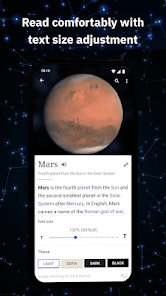
Long reading sessions can be tailored to varying light conditions and visual preferences. The app includes controls to scale text sizes up or down and offers four distinct display palettes: pure black, dark, sepia, and light. These styling choices minimize visual distractions while preserving the underlying text and media formatting across encyclopedic entries.








 Car Engine Sounds - Gas Pedal
 Tubi TV
 ContactCars: Buy & Sell Cars
 Likee
 WakeBox
 Microsoft Teams